29 Aug 2026
Regulatory Influences on Wagering Mechanics and Variant Adaptations Within French-Licensed Mobile Card Sessions

France maintains a structured licensing system for online card games through the Autorité Nationale des Jeux, which sets clear boundaries on wagering mechanics in mobile environments, and operators must align session parameters with national standards for player protection and game integrity.
Core Licensing Framework and Its Reach
The French regulatory model requires all mobile card sessions to operate under approved licenses that dictate minimum and maximum bet thresholds along with mandatory verification steps before gameplay begins, while data from industry reports shows steady growth in compliant mobile traffic since the framework expanded digital oversight in prior years.
Operators adapt wagering mechanics by embedding real-time checks that prevent rapid bet escalation, and these adjustments connect directly to rules that limit session duration along with mandatory cooling-off prompts after extended play periods.
Mechanics Adjustments Driven by Compliance Rules
Wagering structures in French-licensed mobile card sessions often incorporate automated stake caps that scale with player account history, and regulators enforce these limits to reduce exposure during high-frequency rounds of variants such as blackjack or poker derivatives.
Studies from European gaming research centers indicate that such caps lead developers to introduce tiered betting ladders where users select from preset ranges rather than entering custom amounts, and this approach maintains compliance while preserving engagement across different mobile interfaces.
Variant Adaptations in Response to Oversight
Game variants undergo review processes that evaluate payout structures and bonus features before mobile deployment, and authorities in France require documentation showing how each adaptation aligns with responsible play guidelines.
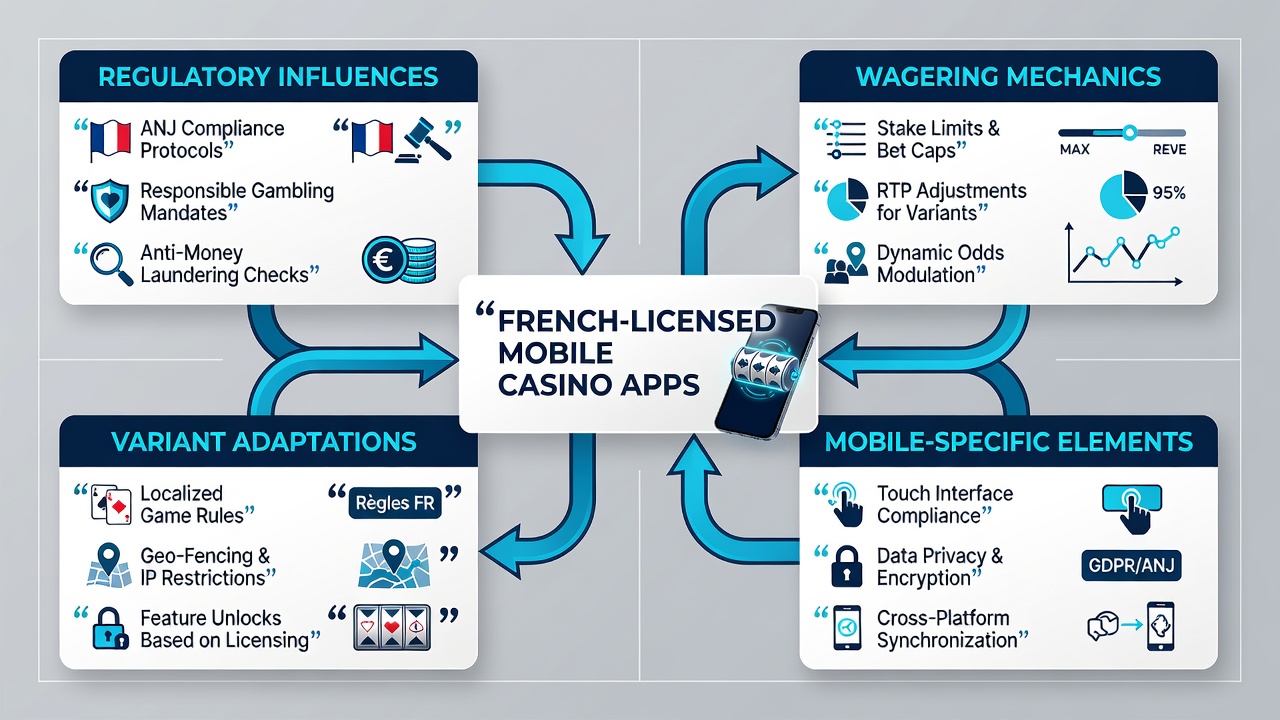
Developers therefore modify side bet options and progressive elements to fit within permitted volatility bands, and one example involves streamlining multi-hand blackjack formats so that simultaneous wagers stay below aggregate thresholds set by licensing conditions.
Research indicates that these changes appear in updated releases scheduled around mid-2026, when several providers plan to roll out revised mobile interfaces that reflect ongoing feedback from regulatory audits conducted through August 2026.
Mobile-Specific Implementation Patterns
Touchscreen interactions receive particular attention under French rules because rapid taps can bypass intended pacing mechanisms, and providers address this by integrating confirmation delays between consecutive bets while preserving smooth navigation for standard play sequences.
Observers note that session logging requirements extend to every wager placed on mobile devices, which creates audit trails used during compliance reviews, and operators respond by designing backend systems that export data in standardized formats compatible with oversight portals.
Cross-Border Comparisons and Broader Trends
While French standards emphasize strict wagering controls, similar patterns emerge in other jurisdictions such as those monitored by the Australian Gambling Research Centre, where mobile adaptations also prioritize stake transparency and variant approval workflows. Autorité Nationale des Jeux guidelines provide the primary reference point for French operators, whereas reports from Canadian regulatory bodies offer parallel insights into how variant approvals evolve under comparable digital constraints.
Figures from aggregated licensing data reveal that approved mobile card sessions in France show higher retention when mechanics include visible risk indicators, and developers continue to test interface tweaks that satisfy both player expectations and regulatory benchmarks.
Conclusion
French licensing continues to shape wagering mechanics through defined limits and verification protocols that extend across all mobile card variants, and adaptations in game design reflect ongoing alignment with these requirements as the market advances into later 2026 periods. Regulatory bodies maintain review cycles that influence future updates, ensuring that session features remain consistent with established national priorities for structured play environments.