20 Aug 2026
San Francisco Court Decision Upholds Cardroom Operations

A San Francisco Superior Court judge issued a ruling from the bench on June 30, 2026 that directly addressed regulations from the California Department of Justice’s Bureau of Gambling Control, and this decision centered on the agency’s lack of statutory authority to restrict or effectively ban blackjack along with rotating player-dealer games in cardrooms across the state.
The court blocked the rules that had received approval in February 2026 and stood ready to take effect in the following months, which means cardrooms can maintain their current offerings without interruption from those specific measures, and the outcome stems from lawsuits filed jointly by the California Gaming Association along with several cardroom groups that challenged the regulatory scope.
Details of the June 2026 Ruling
The judge examined the Bureau of Gambling Control’s proposed framework and determined that existing statutes did not grant the necessary power to impose limits on blackjack-style games or player-dealer rotation systems, while the decision emphasizes statutory boundaries that separate legislative intent from agency action, and it prevents enforcement actions that would have altered game availability in licensed cardroom facilities.
Cardroom operators received immediate clarity from the bench ruling, which allows them to proceed with established game schedules into August 2026 and beyond, whereas the blocked regulations would have required significant operational adjustments if they had moved forward without judicial intervention.
Background on the Challenged Regulations
Approval occurred in February 2026 for measures titled Regulations: Rotation of the Player-Dealer Position and Blackjack-Style Games, and those provisions aimed to reshape how cardrooms manage dealer positions along with game formats that resemble traditional blackjack, yet the court found the Bureau exceeded its authority under current law when drafting and approving the package.
Stakeholders reviewed the full text through the official regulatory documents before the lawsuits advanced, and the process highlighted differences between administrative goals and the explicit powers granted by the California legislature to the Department of Justice division.
Lawsuits Driving the Court Challenge
The California Gaming Association coordinated with individual cardroom operators to file complaints that questioned the Bureau’s legal foundation for the new rules, and these actions reached the San Francisco Superior Court where arguments focused on statutory interpretation rather than policy preferences. Multiple groups presented evidence during proceedings that traced the regulatory language back to legislative limits, which ultimately supported the judge’s conclusion that authority was absent for the proposed restrictions.
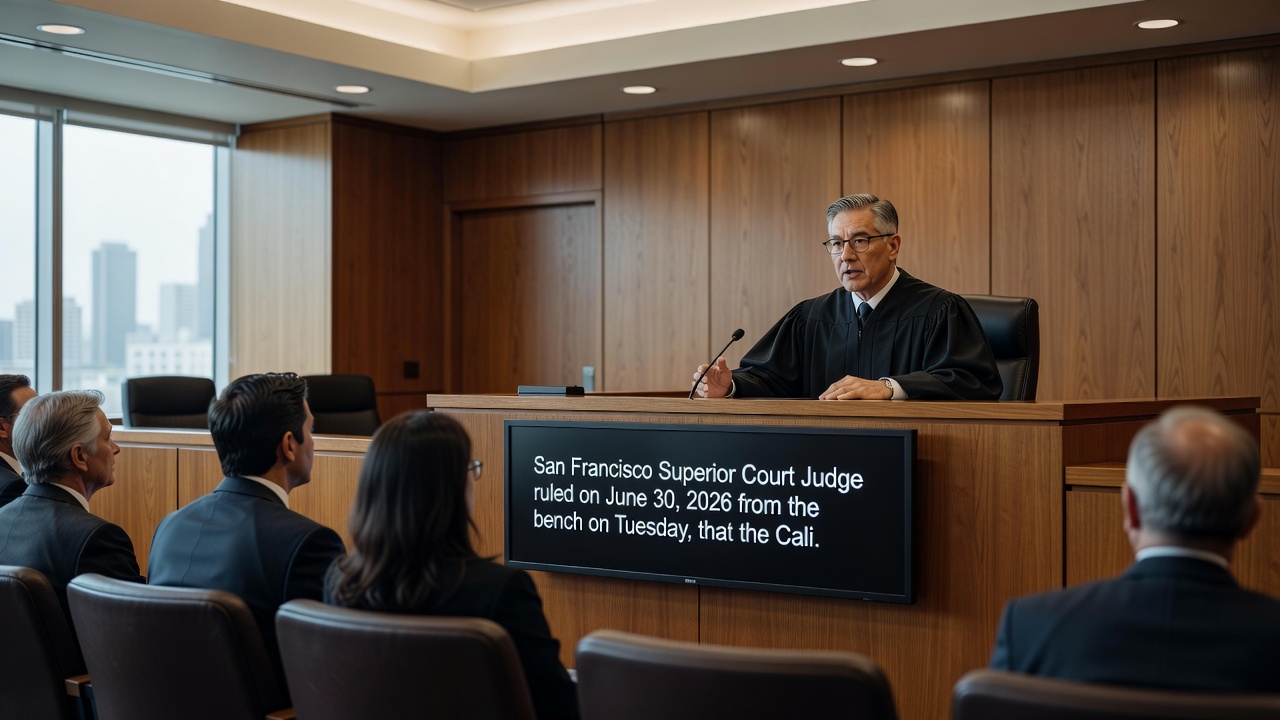
Attorneys for the plaintiffs outlined how the February 2026 approvals would have forced cardrooms to discontinue or heavily modify popular games, and the court record shows that such changes lacked backing from existing statutes that govern Bureau activities. The lawsuits progressed through standard civil procedures and culminated in the June 30, 2026 ruling that halted implementation before any August deadlines could apply.
Immediate Effects on Cardroom Operations
Cardrooms throughout California continue to offer blackjack and rotating player-dealer games without the constraints outlined in the blocked regulations, which preserves revenue streams and player access that existed prior to the February 2026 approvals. Facilities report no required modifications to game rotations or table setups as a direct result of the decision, and this continuity extends through the summer months into August 2026 when seasonal player traffic typically increases.
Regulatory compliance teams at affected cardrooms adjusted their monitoring protocols after the ruling to focus solely on previously established rules, whereas any future Bureau proposals would need to align with the statutory limits identified during the court review. The decision does not prevent new legislative action that could grant additional authority, yet it maintains the status quo for operations that rely on the contested game formats.
Broader Context for California Gambling Regulation
California maintains a complex framework that separates tribal casinos from cardrooms, and the June 2026 ruling addresses one narrow slice of that structure by confirming boundaries around the Bureau of Gambling Control’s rulemaking powers. Observers note that similar challenges have arisen in prior years when agencies attempted expansions beyond statutory language, and the current case reinforces judicial oversight in those disputes.
Data from industry filings indicate that cardrooms represent a significant portion of legal gaming activity outside tribal lands, and the blocked regulations would have altered dealer rotation practices along with blackjack variants that have operated under existing approvals for years. The court’s emphasis on statutory authority provides a reference point for future regulatory efforts that involve the same Bureau division.
Conclusion
The San Francisco Superior Court ruling on June 30, 2026 stands as the controlling decision that prevents the Bureau of Gambling Control from enforcing the February 2026 regulations on blackjack and rotating player-dealer games, which allows cardrooms to sustain their current offerings through August 2026 and subsequent periods. Lawsuits from the California Gaming Association and cardroom operators established the record that supported this outcome based on statutory interpretation, and the result preserves operational continuity while clarifying agency limits under current law.